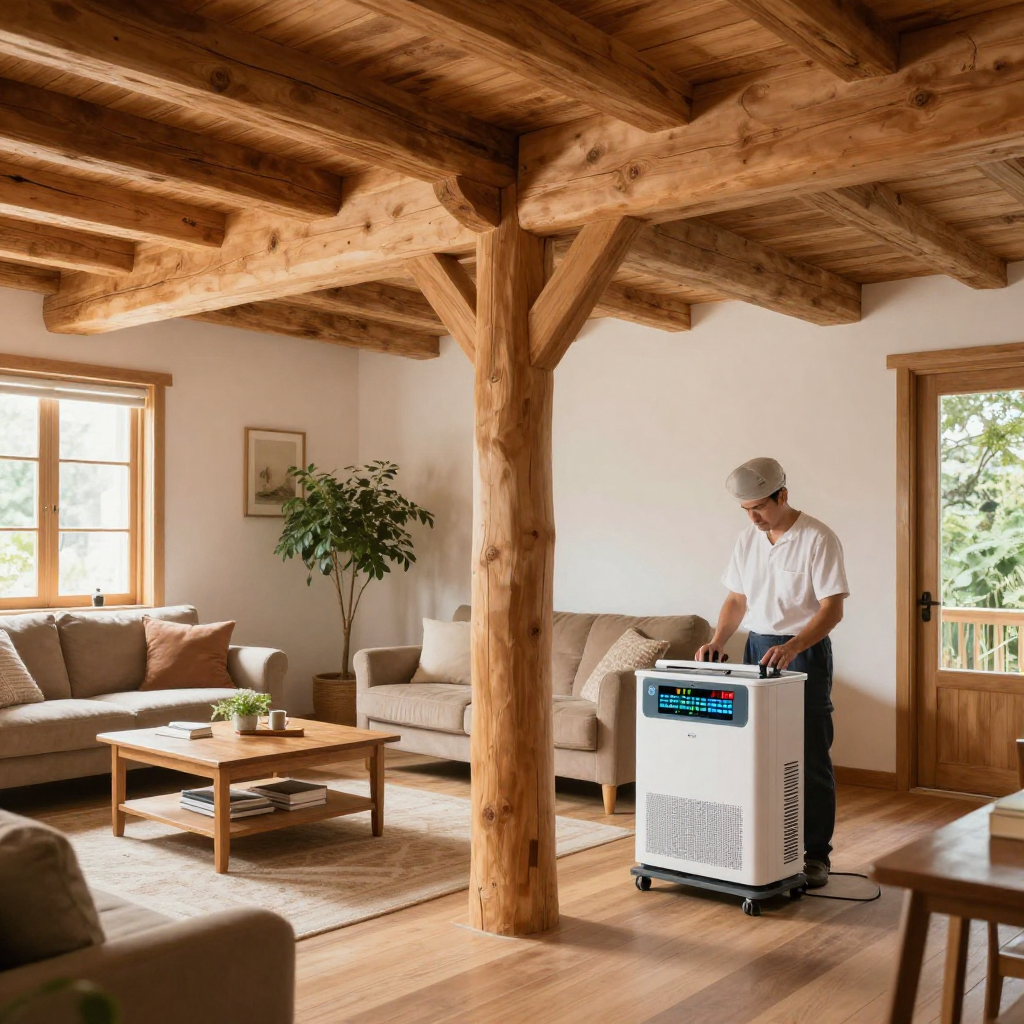
Wooden cabins offer warmth, natural beauty, and a peaceful living environment. Whether used as a holiday retreat, countryside home, mountain lodge, or backyard guest house, cabins create a timeless connection with nature. However, because cabins are built primarily from timber and are often surrounded by natural environments, they can become vulnerable to insects such as woodworm, termites, beetles, ants, and other wood-boring pests.
Insects may quietly damage roof beams, walls, flooring, furniture, and structural supports if the problem goes unnoticed. Moisture, poor ventilation, and hidden spaces can make wooden cabins especially attractive to pests.
The good news is that wooden cabins can remain strong and insect-free with proper prevention, maintenance, and early action.
Many homeowners researching timber care through shashel.eu/ understand that protecting cabins early helps avoid expensive structural repairs and preserves timber for many years.
In this guide, we will explore the best ways to protect wooden cabins from insects and keep timber healthy long term.
Keep Cabin Timber Dry
Moisture is one of the biggest reasons insects target wood.
Why Damp Wood Matters
Many insects prefer timber that becomes:
- Damp
- Soft
Common Moisture Sources Include
- Roof leaks
- Condensation
- Poor drainage
Dry timber naturally discourages infestation.
Fast repairs matter.
Many homeowners exploring timber care through shashel.eu understand that moisture control is one of the best ways to protect cabins from insects.
Improve Cabin Ventilation
Poor airflow increases humidity.
Why Ventilation Matters
Healthy airflow helps:
- Reduce moisture buildup
- Lower insect attraction
High-Risk Areas Include
- Roof spaces
- Crawl spaces
- Storage rooms
Dry environments naturally discourage pests.
Healthy airflow matters.
Inspect Cabin Wood Regularly
Routine inspections help detect insect activity early.
Areas Worth Checking
Inspect:
- Roof beams
- Wooden walls
- Flooring
- Furniture
Warning Signs to Watch For
Look for:
- Tiny holes in wood
- Powdery dust
- Weak timber
Early action improves outcomes.
Consistency matters.
Protect Against Woodworm and Beetles
Wood-boring insects often remain hidden.
Common Cabin Pests Include
- Woodworm
- Beetles
- Carpenter ants
Early Warning Signs Include
- Tiny holes
- Powdery dust (frass)
Fast treatment protects timber.
Healthy dry wood discourages infestation.
Seal Cracks and Openings
Insects often enter through small gaps.
Why Sealing Matters
Openings may allow:
- Egg laying
- Moisture entry
Areas Worth Inspecting
Check:
- Wall joints
- Window frames
- Roof edges
Small repairs improve protection.
Healthy cabins stay stronger.
Keep Firewood Away From the Cabin
Stored firewood may attract insects.
Why This Matters
Wood piles sometimes contain:
- Beetles
- Termites
Helpful Prevention Tip
Store firewood:
- Away from cabin walls
Simple habits reduce risk.
Prevention matters.
Maintain Outdoor Cabin Areas
Outdoor timber faces extra environmental stress.
Areas Worth Maintaining
Inspect:
- Decking
- Wooden stairs
- Railings
Why Outdoor Care Matters
Weather exposure increases the risk of:
- Moisture damage
- Insect activity
Routine maintenance improves durability.
Healthy timber lasts longer.
Watch for Moisture Around the Cabin
Water buildup increases pest risk.
High-Risk Areas Include
- Gutters
- Drainage systems
Why Water Control Matters
Standing moisture attracts:
- Wood pests
Healthy drainage protects timber naturally.
Fast action matters.
Many homeowners researching timber care through shashel.eu understand that moisture prevention improves long-term cabin protection.
Consider Modern Pest Treatment Methods
Modern wood protection continues improving.
Common Solutions Include
- Heat treatment
- Microwave treatment
These methods may help target:
- Hidden larvae
- Internal pest activity
while reducing heavy chemical exposure.
Professional advice improves outcomes.
Inspect Hidden Spaces
Cabin pests often remain hidden.
High-Risk Hidden Areas Include
- Attics
- Roof spaces
- Underfloor areas
Why Hidden Inspection Matters
Damage often spreads quietly.
Routine checks improve prevention.
Never overlook concealed timber.
Protect Wooden Furniture Inside the Cabin
Furniture also deserves care.
Helpful Maintenance Tips
Keep furniture:
- Dry
- Clean
Inspect for:
- Tiny holes
- Loose joints
Routine care improves lifespan.
Healthy furniture matters.
Common Mistakes Cabin Owners Make
Ignoring Tiny Holes
Small signs often indicate hidden pest activity.
Delaying Repairs
Damage spreads quietly.
Ignoring Moisture
Damp wood attracts insects.
Skipping Hidden Spaces
Roof areas deserve regular inspection.
Routine care improves protection.
Long-Term Benefits of Insect Prevention
Protecting cabins offers major advantages.
Benefits Include
- Longer timber lifespan
- Better structural safety
- Lower repair costs
- Improved cabin appearance
Healthy timber protects the entire structure.
Prevention saves money.
Conclusion
Protecting wooden cabins from insects requires moisture control, ventilation, regular inspections, fast repairs, and preventive maintenance. Since cabins are often surrounded by nature, they may face greater exposure to wood-boring insects and hidden pests.
Keeping timber dry, sealing cracks, improving airflow, maintaining outdoor wood, and inspecting hidden areas are some of the best ways to reduce infestation risks.
Many homeowners researching timber care through shashel.eu understand that strong cabins begin with prevention and consistent care.